
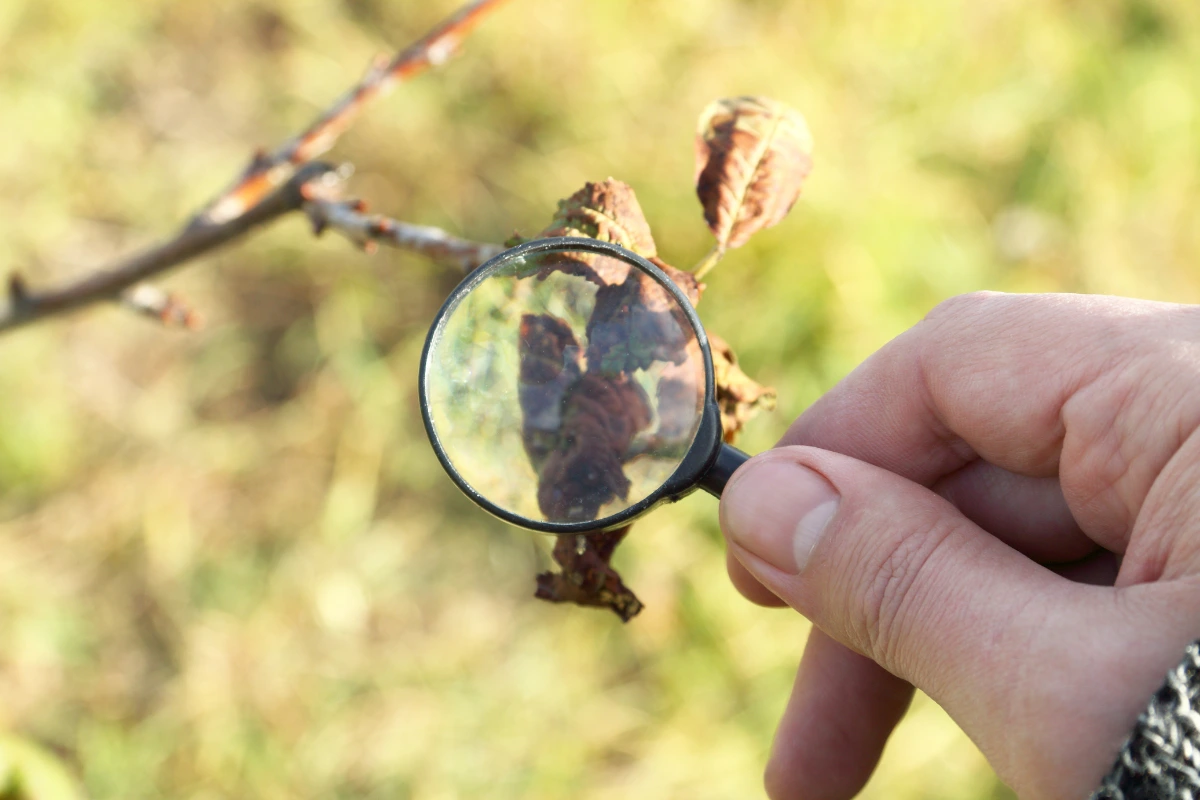
Maintaining the health of your trees is crucial for enhancing your landscape’s beauty and ensuring your property’s safety. Trees can fall victim to various diseases, which, if left untreated, can lead to decline and even death. Here are five expert tips on recognizing and preventing tree diseases tailored for the Salinas and Monterey Bay Area.
1. Understand the Local Climate and Its Impact on Trees
The Salinas and Monterey Bay Area boasts a Mediterranean climate characterized by wet, mild winters and dry, warm summers. This climate creates specific conditions that can influence the health of local trees. For instance, the wet winters can promote fungal growth, while the dry summers can stress trees, making them more susceptible to diseases.
Recognizing Tree Diseases in Local Climate:
- Fungal Infections: Wet conditions during winter can lead to fungal diseases such as anthracnose, which causes leaf spots, scars, and premature leaf drop. Look for dark, sunken lesions on leaves and twigs.
- Drought Stress: Prolonged dry periods in summer can weaken trees, making them vulnerable to diseases like oak root fungus. Symptoms include yellowing leaves, dieback, and a general decline in tree vigor.
Prevention Tips:
- Proper Watering: Ensure your trees are well-watered during dry periods to reduce stress. Deep watering encourages profound root growth and strengthens the tree’s disease resistance.
- Mulching: Apply a layer of mulch around the base of trees to retain soil moisture and regulate temperature. This practice is particularly beneficial in dry summers.
2. Identify Common Tree Diseases in the Area
Due to the unique combination of climate and local vegetation, certain tree diseases are more prevalent in the Salinas and Monterey Bay Area. Familiarize yourself with these common diseases to recognize symptoms early.
Common Diseases and Symptoms:
- Fire Blight: This bacterial disease affects fruit trees like apples and pears, causing blackened, wilted branches that appear scorched. Look for oozing cankers on branches and twigs.
- Sudden Oak Death: A severe disease caused by the pathogen Phytophthora ramorum, affecting oaks and other species. Symptoms include bleeding cankers on the trunk, leaf spots, and crown dieback.
- Powdery Mildew: A fungal disease that forms a white, powdery coating on leaves, affecting photosynthesis and overall tree health.
Prevention Tips:
- Pruning: Regularly prune affected branches to improve air circulation and reduce the spread of diseases like powdery mildew and fire blight. Ensure tools are sanitized to prevent cross-contamination.
- Disease-Resistant Varieties: When planting new trees, select disease-resistant varieties better suited to the local climate and conditions.
3. Monitor Soil Health and Nutrition
Healthy soil is the foundation of healthy trees. Poor soil conditions can lead to nutrient deficiencies, making trees more susceptible to diseases. In the Salinas and Monterey Bay Area, soil composition can vary, affecting tree health.
Signs of Soil-Related Issues:
- Chlorosis: Leaf yellowing, often caused by iron deficiency, indicates poor soil health. Alkaline soils, common in some parts of the region, can exacerbate this.
- Root Rot: Overly wet or poorly drained soils can lead to root rot, characterized by wilting, stunted growth, and brown, mushy roots.
Prevention Tips:
- Soil Testing: Conduct regular soil tests to monitor pH levels and nutrient content. Amend the soil as needed to provide a balanced nutrient profile.
- Proper Drainage: Ensure good drainage around trees to prevent waterlogging. Raised beds or improved soil structure can help in areas with heavy clay soils.
4. Engage in Regular Tree Inspections
Regular inspections are crucial for the early detection of tree diseases. The Salinas and Monterey Bay Area’s diverse tree population means vigilance is critical to maintaining tree health.
Inspection Checklist:
- Leaves and Foliage: Check for discoloration, spots, and premature leaf drop. Compare with healthy trees to identify abnormalities.
- Branches and Trunk: Look for cankers, cracks, and signs of decay. Pay attention to areas where branches meet the trunk, as these are common sites for disease entry.
- Roots and Soil: Examine the root zone for rot or poor health signs. Check for mushrooms or fungal growth, which can indicate root disease.
Prevention Tips:
- Professional Assessments: Consider hiring a certified arborist for annual tree inspections. They can provide expert advice and early intervention if disease symptoms are detected.
- Community Involvement: Participate in local tree health programs or workshops. The Monterey Bay Area has several organizations dedicated to urban forestry and tree health education.
5. Implement Integrated Pest Management (IPM)
Integrated Pest Management (IPM) is a holistic approach to managing tree health by combining cultural, biological, and chemical methods. This strategy is particularly effective in the Salinas and Monterey Bay Area, where diverse pest populations can impact tree health.
IPM Strategies:
- Biological Control: To manage pest populations and utilize natural predators and beneficial insects. Ladybugs and predatory mites can help control aphid and mite infestations.
- Cultural Practices: Maintain tree health through proper pruning, watering, and fertilization. Healthy trees are less likely to succumb to pest-related diseases.
- Chemical Control: Use pesticides as a last resort and opt for targeted treatments to minimize environmental impact. Follow local regulations and guidelines for safe application.
Prevention Tips:
- Regular Monitoring: Monitor pest activity closely and intervene early. Look for signs of damage, such as chewed leaves, frass, or webbing.
- Community Resources: Engage with local gardening clubs or extension services for up-to-date information on pest trends and control methods in the Monterey Bay Area.
Conclusion
Maintaining the health of your trees is a proactive effort that pays off in the long run. By recognizing the signs of tree diseases and implementing preventive measures, you can ensure the longevity and beauty of your landscape. In the Salinas and Monterey Bay Area, understanding the local climate, soil conditions, and common tree diseases is essential for effective care. With these expert tips, you can keep your trees healthy and thriving.
If you need professional assistance with tree health assessments or disease management, don’t hesitate to contact Mountain Valley Tree Service. Our experienced arborists are dedicated to preserving the beauty and safety of your property through expert tree care services.
