
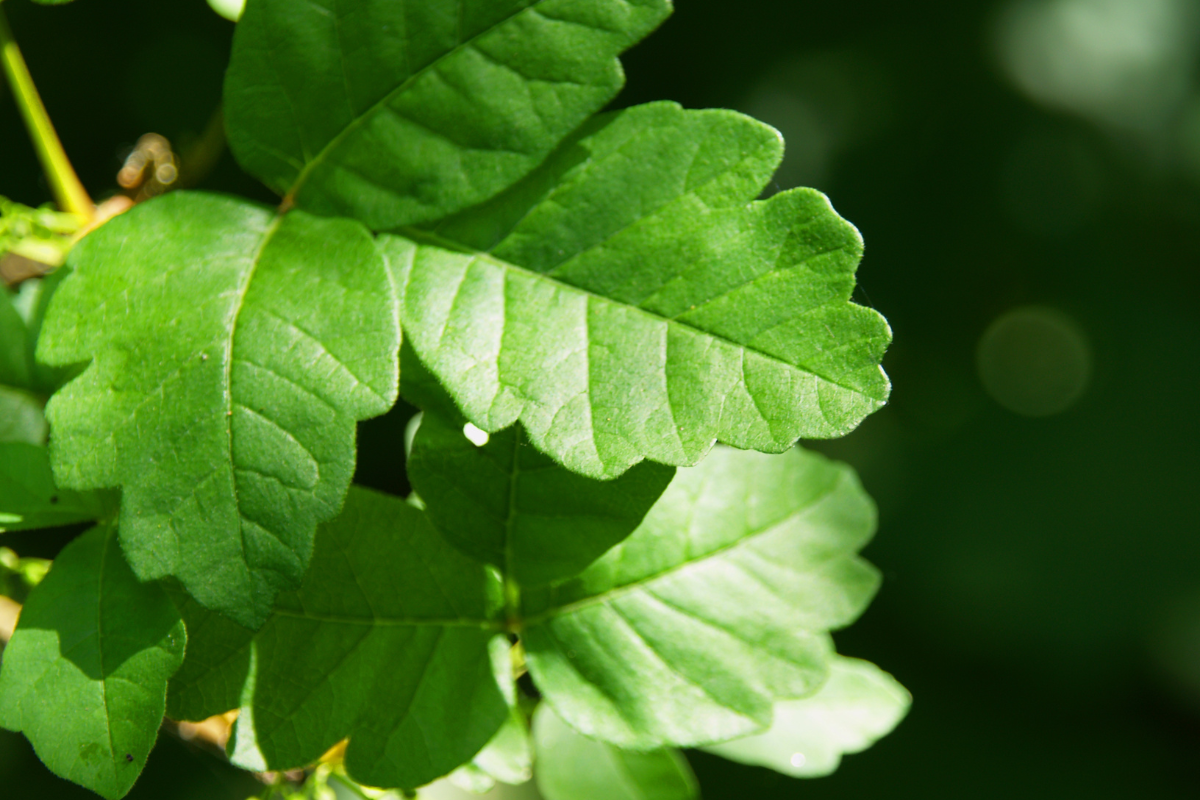
Weed abatement is more than just a means to keep your yard looking tidy—it’s an essential practice for maintaining the safety and value of your property, especially in the Monterey Bay Area. This region’s Mediterranean climate, characterized by wet winters and dry summers, provides ideal conditions for weeds like poison oak and other invasive plants to thrive. Without proper management, these plants can become fire hazards, cause allergic reactions, and even damage your home’s infrastructure.
Here are seven powerful weed abatement techniques to help protect your property from poison oak and other harmful plants while enhancing the overall appeal and safety of your landscape.
1. Mowing: A Simple, Effective Approach for Larger Areas
Mowing is one of the simplest and most effective methods for reducing weed growth in large areas. By regularly cutting down tall grasses and weeds, you can prevent these plants from going to seed and spreading further across your property. In areas like Monterey and Salinas, where open spaces and large plots of land are common, mowing is an essential part of keeping invasive plants like poison oak under control.
How Mowing Helps:
- Reduces the height of weeds, making it harder for them to thrive and spread.
- Keeps your yard looking clean and manicured, improving curb appeal.
- Helps create firebreaks by eliminating tall, dry vegetation that could act as fuel in a wildfire.
For larger properties or fields, using a brush mower or hiring a professional service may be necessary to effectively manage tough weeds like poison oak.
2. Hand Pulling: Targeting Poison Oak and Other Noxious Weeds
For smaller areas or specific weed infestations, hand pulling is a great way to remove weeds at their roots. Poison oak, for example, can be a significant health hazard, as its oils can cause severe skin reactions. Carefully pulling the plant by hand ensures that the entire root system is removed, preventing regrowth.
Tips for Hand Pulling Poison Oak:
- Always wear protective clothing, including gloves, long sleeves, and eye protection, as poison oak can cause allergic reactions upon contact.
- Use specialized tools like a weed puller or digging fork to remove the roots completely.
- Dispose of poison oak and other toxic plants safely, following local regulations in the Monterey Bay Area for hazardous plant disposal.
Hand pulling is labor-intensive but can be a highly effective way to address weed infestations at the root level, preventing them from returning and spreading.
3. Mulching: A Natural Weed Suppressant
Mulching is a popular technique that not only improves the aesthetic of your garden but also serves as an excellent weed suppressant. By covering the soil with organic materials like wood chips, bark, or straw, you block sunlight from reaching weed seeds, preventing them from germinating.
Benefits of Mulching:
- Helps retain moisture in the soil, reducing the need for frequent watering—an important consideration in the drier summer months in the Monterey Bay Area.
- Enhances the appearance of flower beds and garden areas.
- Suppresses the growth of common weeds, including poison oak, while promoting the growth of desirable plants.
Mulching is a low-maintenance and eco-friendly way to manage weeds while improving the overall health and appearance of your landscape.
4. Herbicides: Targeted Solutions for Stubborn Weeds
In some cases, particularly for aggressive weeds like poison oak, manual removal may not be enough. Applying herbicides can be an effective solution for controlling stubborn weed growth. However, it’s essential to use herbicides responsibly and follow all local regulations, especially in sensitive environments like those found in the Monterey Bay Area.
How to Use Herbicides Safely:
- Choose selective herbicides that target specific weeds while leaving other plants unharmed.
- Apply herbicides during the early stages of weed growth to maximize effectiveness.
- Avoid spraying on windy days to prevent drift and unintended damage to nearby plants.
For properties near protected habitats or organic gardens, it’s advisable to consult a professional tree and weed service to ensure that herbicides are used in an environmentally responsible way.
5. Grading: Preventing Erosion and Eliminating Weeds
Grading involves leveling the land to create a smooth, even surface. This technique not only helps improve drainage and prevent erosion, but it also disrupts the growth of weeds by removing existing vegetation and making it more difficult for new plants to take hold.
In the hilly regions of the Monterey Bay Area, where properties may be located on uneven terrain, grading can play a crucial role in weed abatement by preventing the accumulation of water and debris, which often leads to weed growth.
Grading Benefits:
- Improves land stability and reduces erosion.
- Clears large areas of weeds, including tough species like poison oak.
- Prepares the land for further landscaping or construction projects.
If you’re planning any significant landscaping changes or need to address erosion issues, grading is an excellent long-term solution for weed abatement.
6. Controlled Burns: Managing Weeds and Fire Hazards
In areas prone to wildfires, like the drier regions of California, controlled burns are a powerful tool for managing weed growth and reducing fire hazards. A controlled burn involves intentionally setting fire to a designated area under controlled conditions to remove weeds, brush, and other flammable materials.
Why Controlled Burns are Effective:
- Reduces the amount of dry, dead vegetation that can fuel wildfires.
- Removes invasive weeds and encourages the growth of native plants.
- Helps clear large areas quickly and efficiently.
Given the fire-prone nature of California, including parts of the Monterey Bay Area, controlled burns should always be conducted by professionals trained in fire management and following all local fire safety regulations.
7. Discing: A Comprehensive Solution for Weed Control
Discing involves using a tractor or heavy equipment fitted with discs to break up the soil and turn over weeds, burying them and disrupting their root systems. This method is particularly useful for large, flat areas where weeds have taken hold, as it helps to eliminate entire weed populations quickly and efficiently.
In agricultural and rural areas surrounding Salinas and Monterey, discing is commonly used to control weeds across large plots of land. By cutting and burying weeds in a single process, discing helps to manage invasive species like poison oak while also improving soil aeration and promoting healthy plant growth.
Discing Advantages:
- Clears large areas of tough weeds in one go.
- Prepares the soil for future planting or landscaping projects.
- Reduces the likelihood of weed regrowth by disrupting root systems.
For property owners in the Monterey Bay Area looking to manage large areas of weeds, discing offers a comprehensive and efficient solution.
Conclusion
Weed abatement is an essential practice for protecting your property from the risks of invasive species like poison oak, while also improving the safety and appeal of your landscape. Whether you’re looking to prevent wildfires, manage erosion, or simply enhance your property’s curb appeal, these seven powerful weed abatement techniques can help you achieve your goals.
In the Monterey Bay Area, where the climate and terrain present unique challenges, partnering with a professional tree and weed abatement service can ensure your property remains safe, beautiful, and free from harmful weeds. From mowing and hand pulling to discing and controlled burns, choosing the right method for your property’s needs will provide long-lasting protection and peace of mind.
